
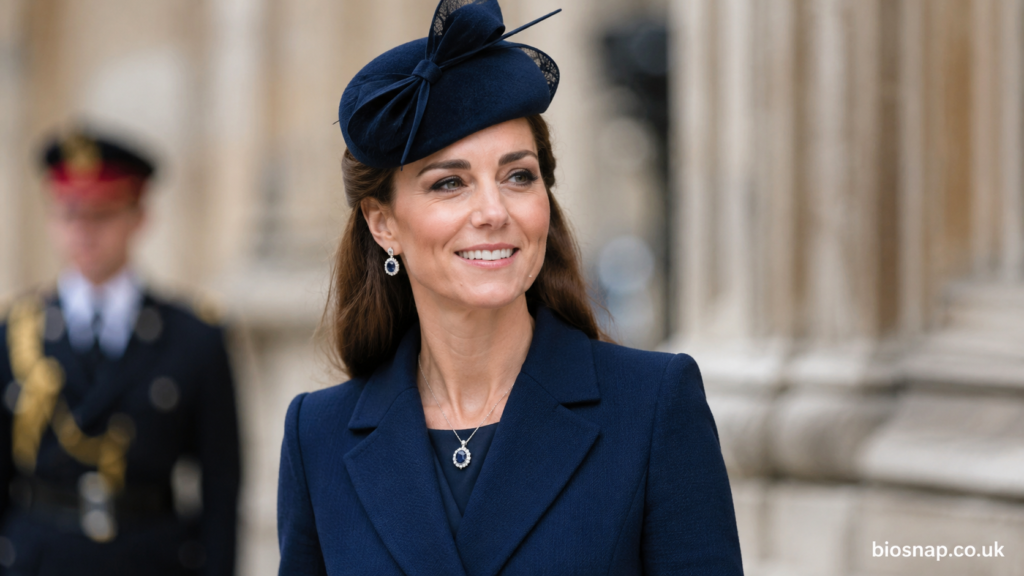

Princess Kate, officially known as Catherine, Princess of Wales, has become one of the most talked-about figures in recent royal history, not because of fashion or ceremony, but because of her health. Her cancer diagnosis in 2024, the treatment that followed, and her gradual return to public life have turned her into an unexpected symbol of resilience. People around the world have followed her journey closely, drawn in by her honesty, her privacy, and the way she has balanced being a mother, a wife, and a future queen while managing a serious illness. This article looks closely at her full princess kate health journey, from diagnosis to recovery, and what her story means for public understanding of cancer, wellbeing, and life after treatment.
The Cancer Diagnosis That Shocked the World
In March 2024, Princess Kate released a personal video message revealing that she had been diagnosed with cancer. The announcement came after weeks of public speculation about her absence following abdominal surgery earlier that year. Doctors reportedly discovered the cancer during that surgery, though Buckingham Palace and Kensington Palace have never confirmed the exact type, respecting the family’s decision to keep certain medical details private.
The diagnosis stunned the public largely because of how it was delivered. Rather than a formal palace statement, Kate chose to speak directly to camera, describing how she and Prince William had used the time to explain the situation to their three children, George, Charlotte, and Louis, in a way that felt manageable for them. This personal approach reshaped how the public viewed her, moving her from a reserved royal figure to someone facing the same fears and decisions that many families quietly go through.
The timing of the announcement also mattered. It followed a period of intense rumor and tabloid speculation, and her openness was widely seen as an attempt to regain control of her own narrative while asking for space and privacy during treatment.
Treatment, Chemotherapy, and the Road to Remission
Following her diagnosis, Kate began a course of preventative chemotherapy that continued for several months through 2024. She gave the public occasional updates rather than a constant stream of information, which reflected her preference for privacy even during a highly public ordeal. In June 2024, she shared that she was “making good progress” and made a notable public appearance at Trooping the Colour, her first major outing since the diagnosis.
Throughout the treatment period, she largely stepped back from royal engagements, spending most of her time at Windermere and Anmer Hall with her family rather than in London. This decision allowed her to focus on both her physical recovery and her children’s routines, keeping their day-to-day life as normal as possible despite the intensity of her treatment schedule.
By January 2025, Kate announced that she had completed chemotherapy and was officially in remission. Medical professionals often note that finishing chemotherapy is a major milestone, but ongoing monitoring, follow-up scans, and recovery of strength and energy can continue for a long time afterward, something Kate’s own pacing throughout 2025 seemed to reflect.
Life After Cancer: What Remission Really Means
Remission is often misunderstood by the public as a full and immediate return to normal health, but the reality is usually more gradual. Kate’s approach throughout 2025 demonstrated this nuance clearly. She returned to public duties slowly, avoiding back-to-back engagements and choosing events carefully rather than resuming a full royal calendar right away.
This pacing was not only about physical recovery but also about protecting her mental and emotional wellbeing after a difficult year. Palace sources indicated that fatigue, both physical and emotional, remained a factor well into her recovery, and her scaled-back schedule reflected an awareness that healing does not follow a fixed timeline.
By 2026, however, Kate had visibly regained strength and confidence. She undertook her first international trip since her diagnosis, traveling to Reggio Emilia in Italy to study early childhood education models, a cause closely tied to her long-standing work on early years development. Aides described her as energized and enthusiastic during the visit, a striking contrast to the uncertainty of the previous two years.
Balancing Royal Duties With Personal Wellbeing
One of the most relatable parts of Kate’s story has been her effort to balance official duties with personal health needs. Royal life typically leaves little room for extended breaks, yet Kate and William have been noticeably protective of family time, often prioritizing school routines and quiet weekends over public appearances.
During a visit to Charing Cross Hospital in London, the couple spoke candidly with patients and volunteers about the long hours spent waiting during cancer treatment. Kate’s simple response of “I know,” followed by a small, quiet gesture toward William, was widely reported as a moment of genuine, lived understanding rather than scripted royal sympathy.
This balance between public duty and private recovery has become a defining feature of her post-diagnosis life. Rather than returning to a packed schedule immediately after remission, she has continued to choose engagements carefully, often tying them to causes connected to her own experience, including hospital visits, mental health awareness, and early childhood wellbeing programs.
The Role of Mental and Emotional Health in Recovery
Physical treatment was only one part of Kate’s recovery. Royal sources have suggested that mental and emotional support played an equally important role, with creative outlets such as art and music offering comfort during the hardest points of her chemotherapy. This experience has since shaped much of her public work, including a growing interest in supporting art therapy programs within the NHS.
During a visit to Charing Cross Hospital, Kate specifically discussed the value of art therapy for patients undergoing long treatment courses, describing it as something that helped process difficult emotions during her own illness. This kind of firsthand insight adds real credibility to her advocacy, distinguishing it from a purely ceremonial royal cause.
Mental health professionals frequently emphasize that emotional support, stress management, and creative expression can meaningfully improve quality of life during cancer treatment, even though they are not replacements for medical care. Kate’s willingness to speak about this connects her personal story to a broader, increasingly recognized approach to integrated cancer care.
How Kate Has Embraced Nature and Creativity for Healing
A distinctive part of Kate’s life after diagnosis has been her visible connection to the natural world. Alongside Prince William, she has continued an ongoing project called “Mother Nature,” which releases seasonal videos focused on nature’s rhythms and its connection to wellbeing. On occasions such as Earth Day, she has shared personal, reflective messages about nature, signing her posts simply with the initial “C.”
This connection to the outdoors is not purely symbolic. Time spent in nature, mindfulness practices, and slower daily routines are commonly recommended by wellness experts as supportive tools during and after cancer treatment. By openly sharing this part of her recovery, Kate has helped normalize the idea that healing involves everyday habits and personal rituals, not just medical appointments.
Her creative interests have also expanded into her public role, with reports suggesting she plans to focus more directly on the arts, working with organizations connected to music, healthcare, and mental health programs. This shift reflects a deliberate effort to turn a difficult personal experience into a long-term area of public advocacy.
Public Health Advocacy and Her Growing Influence
As her own health has stabilized, Kate has increasingly used her public platform to support healthcare causes directly. In June 2026, she visited the Christie NHS Foundation Trust in Manchester, where she met a patient named Claire Lorente who was completing her own chemotherapy treatment. Kate embraced her before Claire rang the bell traditionally used to mark the end of cancer treatment, a moment that drew significant public attention.
During the visit, Kate also spoke with Claire’s family, acknowledging that treatment affects not just patients but everyone around them. This kind of advocacy carries particular weight because it comes from lived experience rather than distant sympathy, helping her connect more authentically with patients, families, and healthcare workers alike.
Her presence at NHS-related events has also helped draw attention to the pressures facing hospital staff, particularly during high-demand periods such as winter virus season. As joint patrons of NHS Charities Together, both Kate and William have used these visits to highlight the everyday challenges within the healthcare system, adding a personal dimension to what might otherwise be routine royal engagements.
Lessons the Public Can Learn From Her Health Story
Kate’s journey offers several practical lessons that extend well beyond royal life. Her slow, deliberate return to public duties shows the value of not rushing recovery, even under significant public or professional pressure. Many people facing serious illness feel pushed to resume normal life quickly, and her example demonstrates that a more gradual pace can be both reasonable and worthy of respect.
Her approach to privacy is equally instructive. By keeping specific medical details, such as the exact type of cancer, out of the public record while still sharing her emotional experience, Kate has shown that it is possible to build public trust and awareness without giving up personal boundaries. This balance is often difficult to achieve, especially for public figures navigating a health crisis under constant media attention.
Her story also highlights the importance of family involvement during illness. The way she and William approached explaining the diagnosis to their children, and the protective routines they maintained throughout treatment, offers a relatable example of prioritizing family stability during a medical crisis.
What’s Next for Princess Kate’s Health and Royal Role
Looking ahead, Kate appears set to continue expanding her public role while keeping health and family firmly at the center of her decisions. Her growing focus on early childhood development, mental health, and the arts suggests a long-term direction shaped directly by what she experienced during diagnosis and treatment. As she takes on further international engagements, her pacing is likely to continue reflecting the lessons learned during her illness.
At the same time, her occasional but meaningful health updates suggest she will continue choosing when and how much to share, rather than offering constant commentary on her condition. This selective openness has become one of the defining features of how she manages both her health and her public image.
Conclusion
Princess Kate’s health journey, from a shocking diagnosis in 2024 to a carefully managed recovery and return to public life, has become one of the most closely followed personal stories in modern royal history. Her openness about emotional wellbeing, her connection to nature and creativity, and her growing advocacy for cancer patients and healthcare workers all reflect a woman shaping her public role around her own lived experience. Rather than rushing back to a full schedule, she has shown that recovery can be approached with patience, privacy, and purpose. Her story continues to resonate not because of royal status, but because of how honestly it reflects the real challenges of facing illness, healing, and finding a new sense of direction afterward.